Pheasant and Grey Partridge Hunting Forecast for Alberta – Fall 2025
This year more survey effort went into areas with grey partridge compared to pheasants, with grey-legs tracking above the long-term average. Participants covered 93.9 km over 37 hours returning 1.7 grey partridge encounters per hour (singles or coveys). Pheasant numbers per km walked have rebounded above the 12-year average, although the number of flushes per hour remain about the same. Overall, 100 pheasants were flushed while covering 35.9 km over 16.6 hours of effort, for a flush rate of 1.44 encounters per hour (single or covey).
In 2020 we altered our survey methods by reaching out to the hunting dog community and asking for their assistance with gathering data. This expanded the area of coverage and effort (e.g., survey time and distance walked) contributing to these annual forecasts. This change in approach makes a direct comparison of results problematic for years prior to 2020 to those after.
Upland hunters have every reason to be optimistic if they put in the effort this fall! Our volunteers moved nearly seven partridge and three pheasants for every kilometer walked, so, with boot leather on the ground it will be a rewarding year! Search for suitable habitat that is preferred by wild birds and seek landowner permissions to foster additional opportunities. In addition, there are lots of pheasant hunting opportunities on the Provincial Pheasant Release Sites ranging from Peace River to Medicine Hat. Visit the ACA website to plan your hunts at over 40 sites.
We wish everyone a safe and productive upland hunting season! A big thank you goes out to all the volunteers and ACA staff who helped pull this year’s survey together! If you are interested in participating with next year’s fall forecast, please email jalen.hulit@ab-conservation.com.
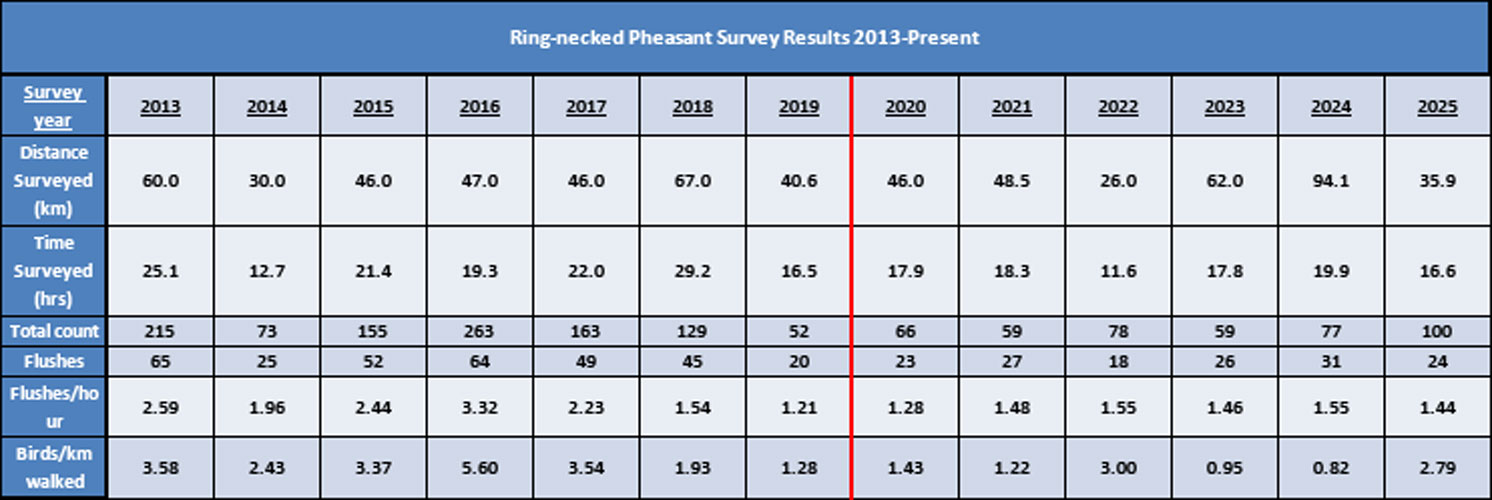
Figure 1: The red line between 2019 & 2020 is an indication of a new survey method
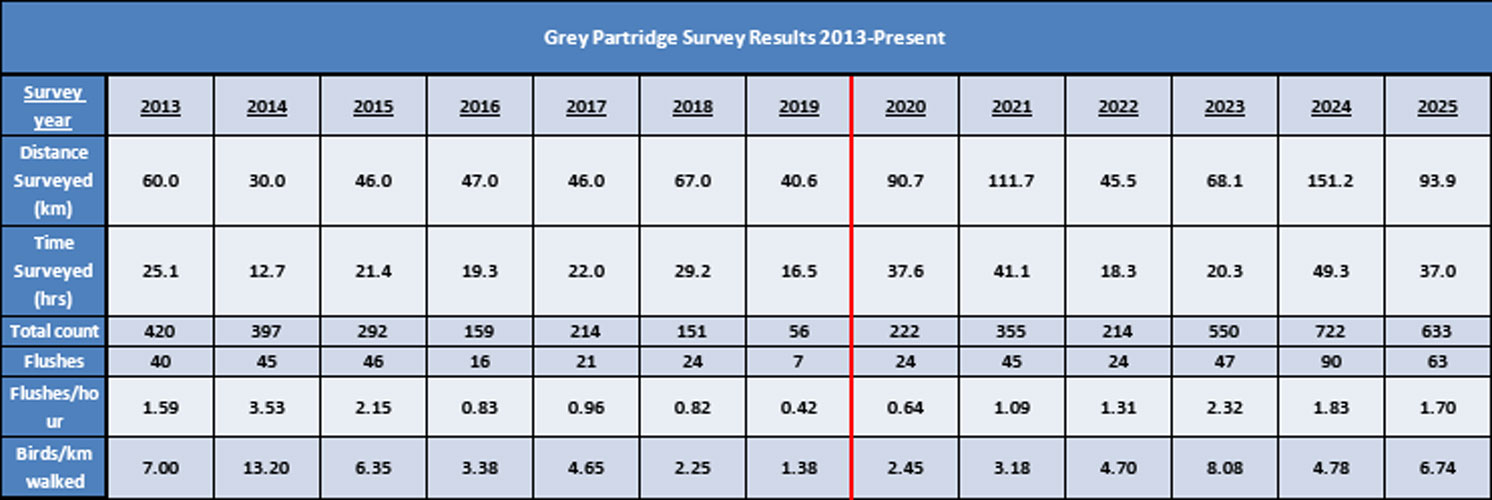
Figure 2: The red line between 2019 & 2020 is an indication of a new survey method