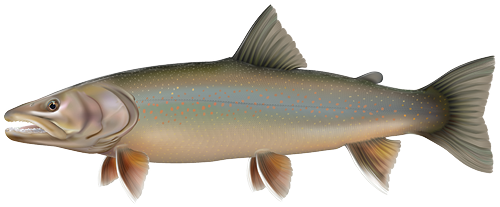
In June 2025, Sundre District Fish and Wildlife Officers received a complaint through the Report A Poacher hotline regarding the unlawful catching and retention of a bull trout from Bearberry Creek. In Alberta, bull trout are listed as Threatened and have a zero-possession limit for anglers.
The complaint involved a local junior high student who had caught and retained a large bull trout. Through a series of poor decisions and misunderstandings, the fish was killed, taken to school, and later discarded.
The following evening, a Fish and Wildlife Officer took a statement from the youth, with the youth’s father present, to better understand what had occurred. The investigation revealed that another student had initially caught the fish with their hands, intending to take photos. The youth then took possession of the fish, placed it on the bank, and injured it. The fish was later further mishandled by other students before being taken to the school to “show it off,” with the intention of eating it later.
A teacher saw the fish and took the class outside to show them how to gut and fillet it. Ultimately, the teacher determined the fish was not salvageable for eating and advised the youth they should throw it away.
Making the best of a bad situation
After reviewing the circumstances, Fish and Wildlife Officers recognized that while the incident involved a serious conservation concern, it also highlighted a broader issue—a lack of awareness about fish identification, regulations, and the status of native species.
The Fish and Wildlife Officers worked with local fisheries management staff and the school to turn the incident into a learning opportunity for the entire Grade 9 class.
The educational session began with a 20-minute educational presentation to 70 students, where officers explained the situation, the protected status of bull trout, and the importance of regulations designed to conserve Alberta’s native fish populations.
Fisheries management staff then delivered a presentation on fish identification, habitat requirements, and species at risk. The session continued creekside at Bearberry Creek, where students were taught about electrofishing as a method of non-lethal fish capture. Divided into small groups, students learned about the study methods used by fisheries professionals, were able to examine collected fish up close, and identify distinguishing characteristics of native species and critical habitat features. It was a firsthand opportunity for youth to have a close look at the diversity of fish species in their local watershed and understand of why regulations exist.
Education vs. Enforcement
In many cases, a Report A Poacher call involving the killing of a Threatened species would result in charges and fines. While enforcement remains an essential tool in conservation, this situation presented an opportunity to reach beyond the individuals directly involved.
By choosing an educational response, officers were able to deliver key conservation messaging to a much broader audience. The lesson extended beyond one youth and one incident; it reached an entire peer group, fostering awareness, accountability, and stewardship.
The loss of a spawning-age bull trout is significant. However, the long-term impact of educating over 70 students about fish conservation, habitat protection, and responsible angling may ultimately help prevent similar incidents in the future.
Community engagement and public education are key factors to successful resource conservation. In this case, a difficult situation became a meaningful opportunity to build understanding and reinforce the shared responsibility of protecting Alberta’s native species.
A big thanks to fisheries management staff Caitlin Gifford, Jessica Reilly, Kenton Neufeld, and Nicole Pilgrim for their efforts in delivering this session. Thanks to Fish and Wildlife Officers Darren McInnes and Levi Neufeld for initiating this educational opportunity and fostering the importance of education.
Photo credit (top): Fish and Wildlife Enforcement Services